I. Structure and Operating Principle
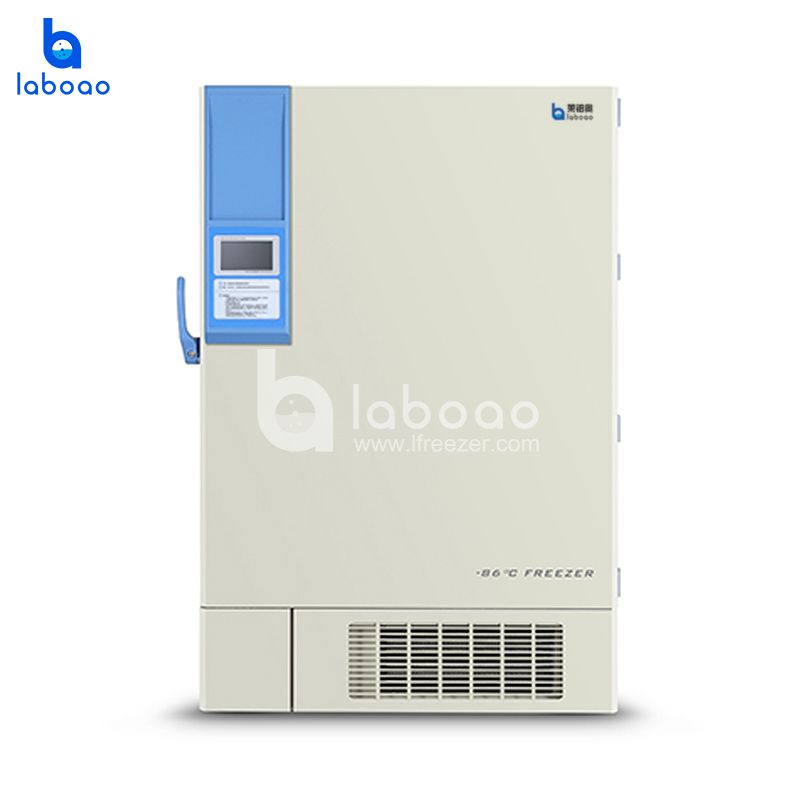
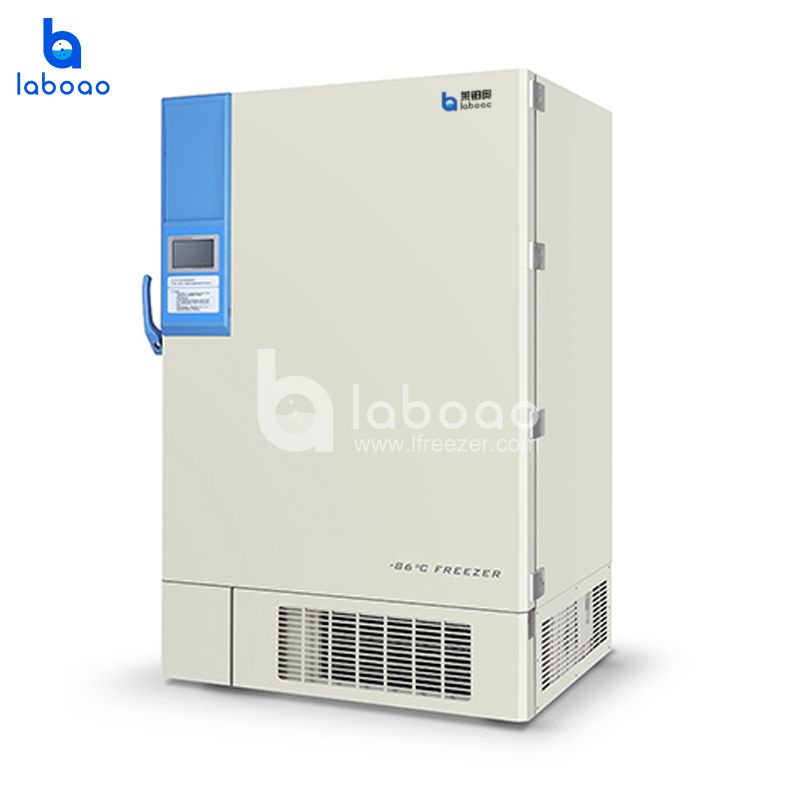
These freezers generally come in two cabinet configurations: chest-style and upright. The inner cabinet is usually divided into multiple storage levels, each featuring an independently openable inner door. The outer cabinet is typically constructed from five joined cold-rolled steel panels. Insulation consists of 60mm and 80mm thick polyurethane foam layers for the inner and outer cabinet walls, respectively. Temperature control is managed by an automatic thermostat utilizing a platinum resistance sensor. Environmentally friendly refrigerants are used to meet ecological standards.
II. Operating Instructions
1. The freezer must be allowed to stand undisturbed for at least 24 hours before being connected to a power source.
2. Power on the unit while empty. Cool the freezer down in stages: first to -40°C, then to -60°C (after normal cycling), and finally to -80°C (after another 8 hours of normal cycling). Observe the unit for at least 24 hours of normal operation to verify performance.
3. Once performance is confirmed as normal (following step 2), items may be loaded into the freezer. In principle, items intended for -60°C storage should be loaded, filling no more than one-third of the cabinet's capacity. If the items to be stored are warmer than -60°C, set the freezer temperature to approximately 3°C higher than the item temperature (e.g., if the item is at 20°C, set the freezer to 23°C) to ensure the compressor cycles off, and allow it to operate normally for at least 8 hours.
4. Prohibitions: These units are designed for low-temperature storage. It is strictly prohibited to load an excessive amount of warm items at once; doing so causes the compressor to run continuously without stopping, prevents the temperature from dropping, and risks burning out the compressor. Items must be loaded in batches, and the temperature lowered in stages until the target low temperature is reached.
III. Maintenance of Ultra-Low Temperature Freezers
Clean the ultra-low temperature freezer monthly. Use a dry cloth to remove dust from the interior, exterior, and control panel. If the freezer is heavily soiled, use a neutral detergent followed by a thorough rinse with purified water. Do not spray water directly into the interior or onto the top of the unit, as this can damage insulation materials and cause malfunctions. The compressor and other mechanical components do not require lubrication. Exercise caution when cleaning the fan at the rear of the compressor. After cleaning, perform a safety check: ensure the power plug is securely connected (avoid loose connections); verify the plug is not abnormally hot; and inspect the power cord and internal wiring at the rear of the unit for cracks or nicks.
IV. Troubleshooting Common Faults
1. Freezer stops operating before reaching the set temperature
Troubleshooting: The control panel displays the set temperature even though the actual internal temperature has not yet reached it. This indicates a faulty temperature-sensing thermistor; the part must be replaced. If an original replacement part is unavailable, installing a new temperature control system can resolve the issue.
2. Main circuit breaker trips immediately after power-on
Troubleshooting: Check the compressor in the refrigeration stage for damage; a damaged compressor can cause a short circuit and trigger the power protection system. Replace the part. If an original part is unavailable, a compressor of equivalent power may be installed; weld the piping, verify airtightness via pressure testing, evacuate the system, charge with R-12 Freon (23.00 oz), and restart to test for normal operation. This fault is often caused by unstable power supply; since the stage starts first, damage usually occurs there. Installing a voltage stabilizer with a time-delay function can typically prevent this issue from recurring.
3. Reduced cooling performance; electric shock sensation when touching metal parts of the cabinet
Troubleshooting: Use a multimeter to check for current leakage, employing a sectional testing method. Power the high-temperature stage compressor independently to determine if it is the source of the leakage electrifying the cabinet. Perform a static check on the compressor terminals and inspect the motor winding lead connectors; signs of arcing against the casing indicate a leakage point. Replace the terminal assembly along with the surrounding section of the housing. After installation, power on the unit to check for electrical leakage. Once the compressor's operating parameters are confirmed to be normal, remount it onto the freezer base, reconnect the piping, perform leak testing and system evacuation, and charge the system with the appropriate amount of refrigerant to restore normal operation.
4. Insufficient cooling
Check for frost buildup on the evaporator surface, determine if the door is being opened and closed too frequently, check if the back of the unit is touching the wall, and see if the unit is overloaded with items.
5. Excessive noise
Check the stability of the base and the unit itself; if the unit is unstable, adjust the leveling screws to ensure all four corners are firmly supported. Also, check if any objects are touching the back of the unit.